

Maintaining our trails ensures they stay open and provide an enjoyable ride for everyone.
Protecting our trail, respecting the local communities, and riding safe.
Know before you go:
Look up trail maps before you head out. Understand where you are at all times, follow all posted signage, and stay on designated trails to protect you and the landscape.
Designated Routes:
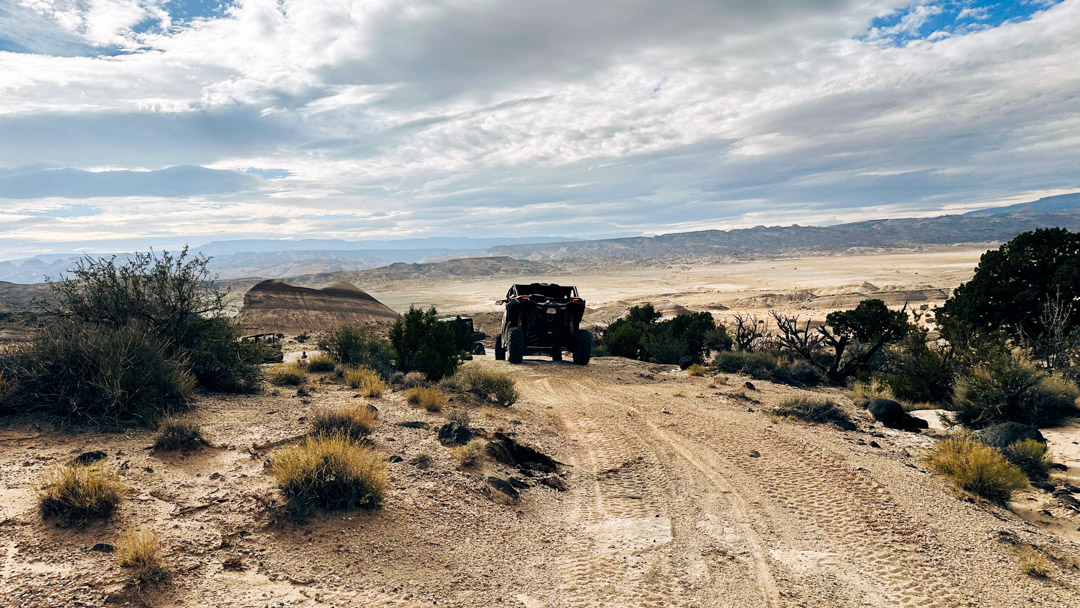
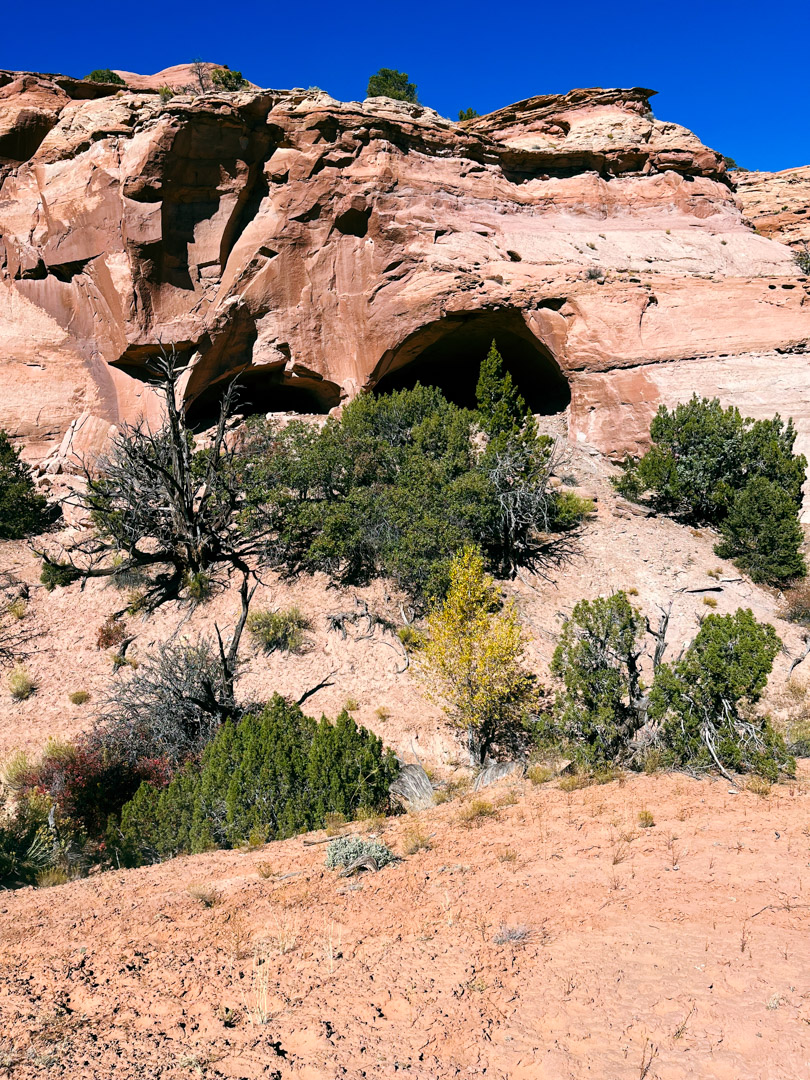
Staying on the trail is universal throughout our trail system. Stick to the marked routes to stay safe, protect local wildlife, and prevent erosion.
Gates:
Leave every gate as you found it. If it is closed, close it behind you. If it is open, leave it open
Machine tips:
Maintain proper tire pressure for the terrain (lower pressure for sand) to increase traction and reduce trail disruption.
4-Wheel Drive:
Keep your machine in 4WD on dirt trails to prevent “spinning out” and creating ruts, which will help keep the trail in good shape.
Traffic Flow Practice:
Practice the “Universal Yield”: always slow down significantly for hikers, bikers, and horses. In the OHV world, downhill yields to uphill so climbers can keep their momentum. Smaller vehicles must yield to larger ones. Be sure to pull over for cars and trucks because their limited maneuverability and larger blind spots make it much harder for them to navigate narrow trail edges safely.
Group Numbers:
When riding in a group, the lead rider should use hand signals to show oncoming traffic how many more riders are behind them. The last rider should also signal with a closed fist to indicate the trail is clear.
Main Roads and Highways:
OHV’s are generally prohibited on main highways unless the vehicle is fully street-legal (Licensed, insured, and equipped with blinkers/mirrors). When driving through towns, observe all traffic laws, slow down to 15mph. Respect the locals.
Parking and Staging:
Don’t block the flow… only unload your machines in areas that will allow other vehicles to safely pass your vehicle.
Never park in a way that blocks other trail users, residential through-traffic, emergency vehicle access, or private roads/driveways.
Many trailheads are shared with hikers, bikers, and horseback riders. Please park and unload responsibly.
Permits:
All OHV operators in Utah must have a registered machine and complete the Utah OHV Education Course. Non-residents must also purchase a Utah Non-Resident OHV Permit.
Safety First. Safety is the foundation of a great ride.
Gear:
Always wear proper safety gear, including helmets and eye protection, appropriate for your machine. Helmets are mandatory for riders under 18 as per Utah Law.
Control your speed:
Responsible machine use means maintaining a speed that is safe for others, the trail conditions, and your visibility.
Be Prepared:
Cell service is unreliable in the backcountry of Southern Utah. Our terrain is very diverse. Travel in groups, and have proper equipment and supplies in case of any emergency.
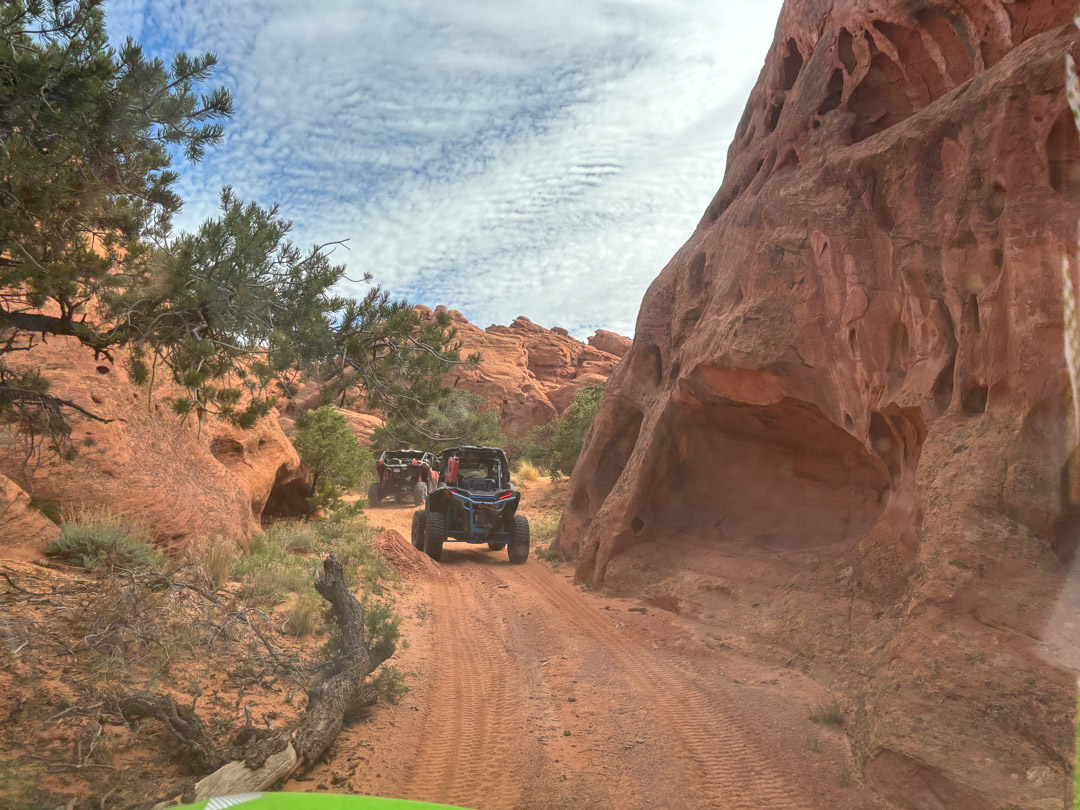
Pack smarter for your Robbers Roost ATV or UTV trip with essential gear, safety supplies, navigation tools and trail-ready tips....